Fire and Water Damage Restoration: What Chicago Homeowners Should Know

November 10, 2026

A kitchen fire gets put out, and the immediate danger is over. But the water used to extinguish it, or the sprinkler system that triggered it, has already soaked into flooring, drywall, and cabinetry the fire never touched.


Most homeowners expect to deal with soot and smoke after a fire. Fewer expect to also need water extraction and structural drying on the same day. This guide covers how fire and
water damage restoration overlap, what each involves, and why addressing both matters.


Why Fire and Water Damage Often Happen Together

Putting out a fire, whether by the fire department, a sprinkler system, or someone grabbing a hose, almost always introduces water into the same rooms affected by flames and smoke. A small kitchen fire can leave a few soaked cabinets. A larger fire involving multiple rooms can leave standing water on floors below the one where the fire started, since water travels downward through ceilings and wall cavities.


This is why a property can need fire damage restoration and water damage restoration as a single combined job rather than two separate ones.


What Fire Damage Restoration Involves

Fire damage work follows a sequence from initial assessment through final walkthrough:


1. Damage assessment to determine how far smoke, soot, and heat traveled beyond the immediate fire area.

2. Scope and consultation to outline what needs to be removed, cleaned, or replaced.

3. Board-up and securing of any broken windows, doors, or openings left by the fire or the response to it.

4. Debris and soot removal from affected surfaces and materials.

5. Smoke and odor mitigation, since smoke odor settles into fabric, drywall, and HVAC systems long after visible soot is gone.

6. A final walkthrough to confirm the space is ready for repairs or move-back-in.


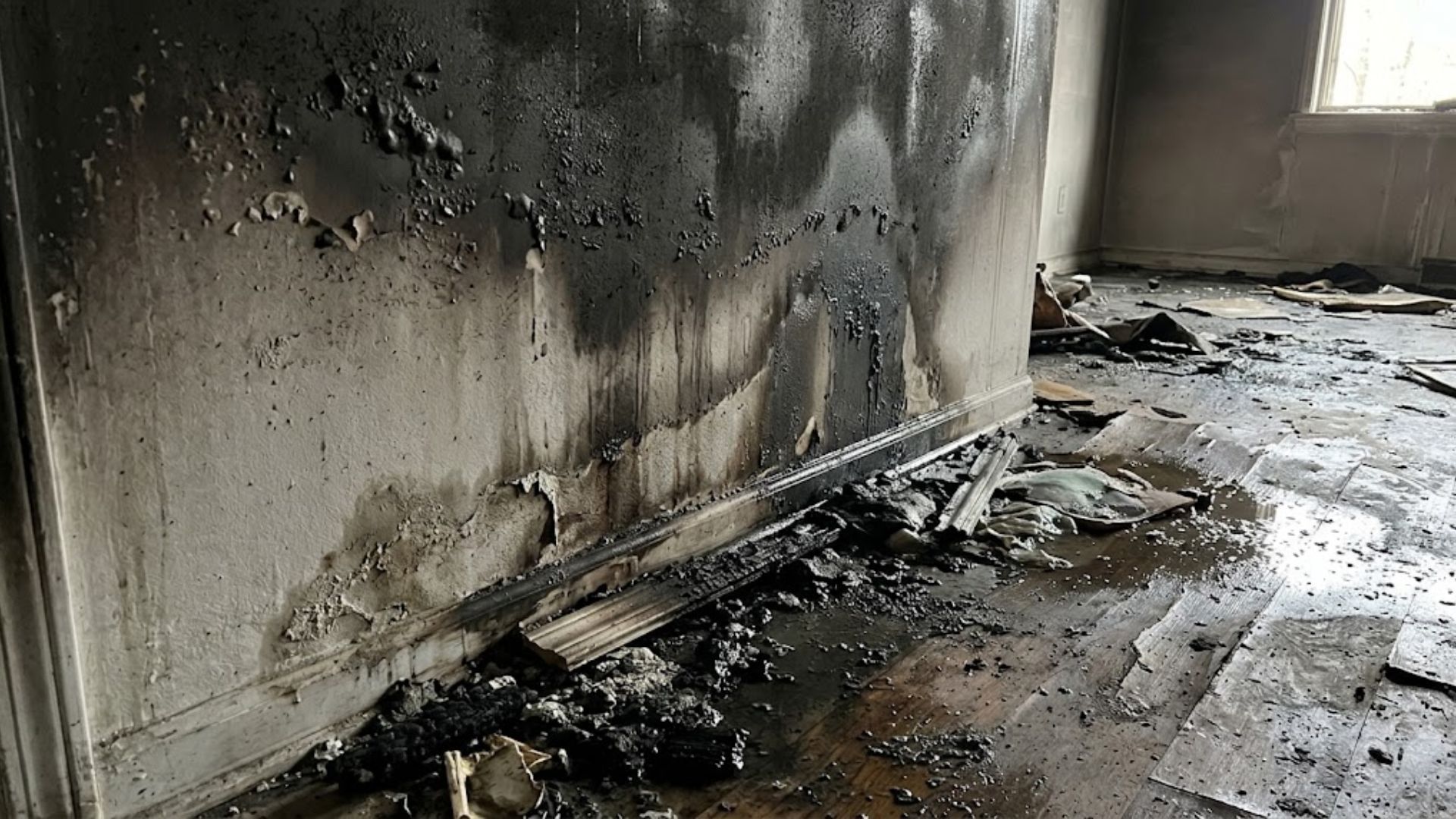
Soot is mildly acidic and can continue etching into surfaces like metal, grout, and finishes the longer it sits, which is part of why early soot removal matters even before full repairs begin.


What Water Damage Restoration Involves

Once the fire is out, any water left behind needs its own process, run alongside the fire cleanup rather than after it:


  • Water extraction to remove standing water before it spreads into subflooring or wall cavities
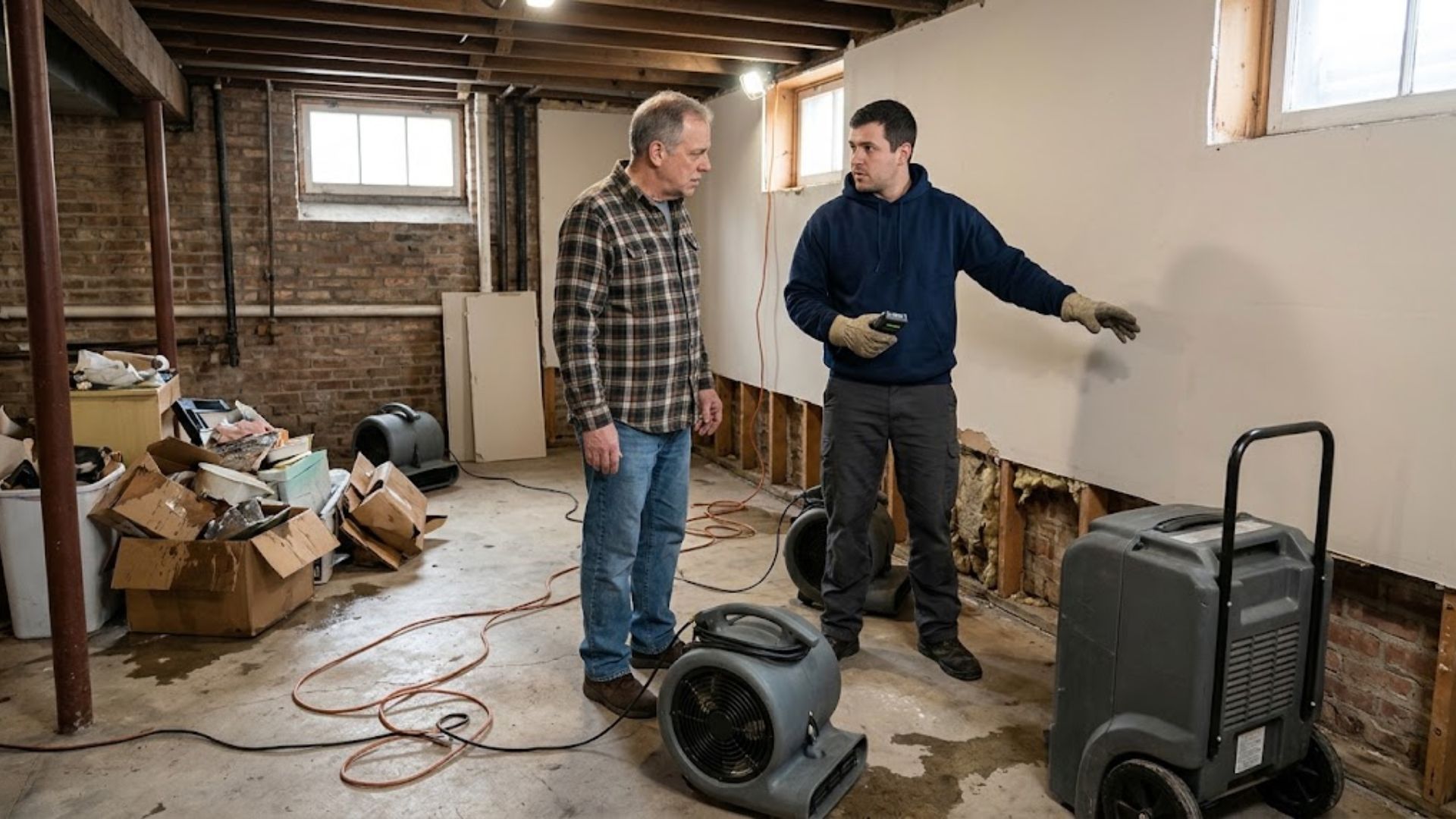
  • Structural drying with industrial air movers and dehumidifiers
  • Moisture monitoring to confirm materials have reached a safe level, not just a dry-looking surface
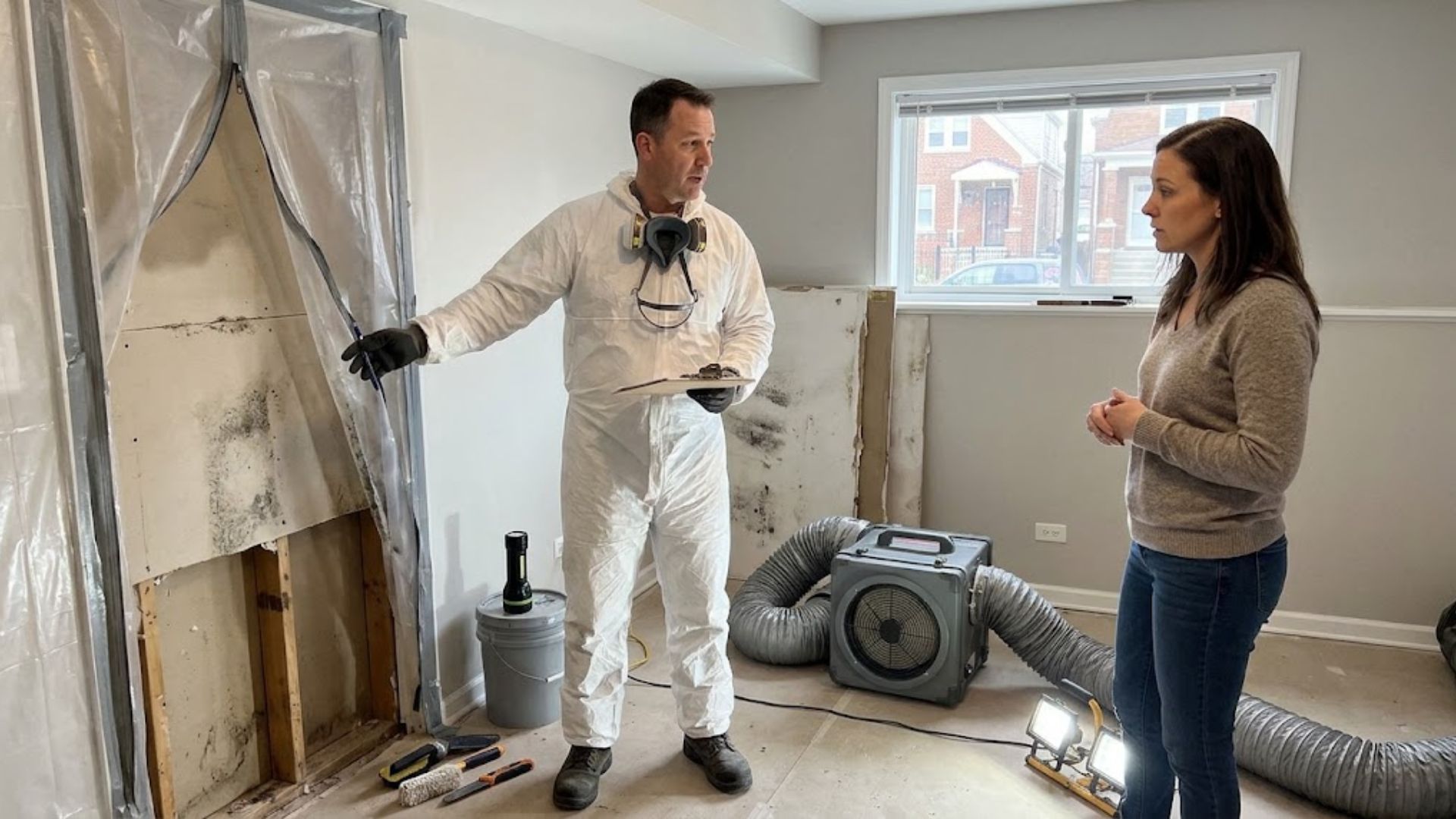
  • Mold prevention, since materials that stay damp for more than a day or two in a humid Chicago summer are at real risk of developing mold


Skipping the water side of the cleanup because the fire feels like the bigger problem is a common mistake. Materials that are left damp after a fire can develop mold within days, turning a single-incident cleanup into two separate problems.


Board-Up and Securing the Property

Fires frequently leave windows broken, doors forced open, or roof sections compromised. Emergency board-up and tarping protects the property from weather and unauthorized entry while the rest of the restoration work gets underway, and it's typically one of the first things addressed after the immediate assessment.


What to Expect in the First 24 Hours

Once the fire department clears the property, the first day sets the tone for the rest of the restoration. A technician typically walks the property to map which areas were affected by flames and heat versus which were only affected by smoke or water, since each requires a different response. Standing water gets extracted immediately rather than left to sit overnight, and any broken windows or doors get boarded or tarped before the property is left unattended.


Belongings in heavily affected rooms, furniture, electronics, textiles, may need to be packed out and moved offsite for cleaning or storage while structural work happens, particularly when soot and water have both reached the same contents.


Signs You Need Both Fire and Water Damage Restoration
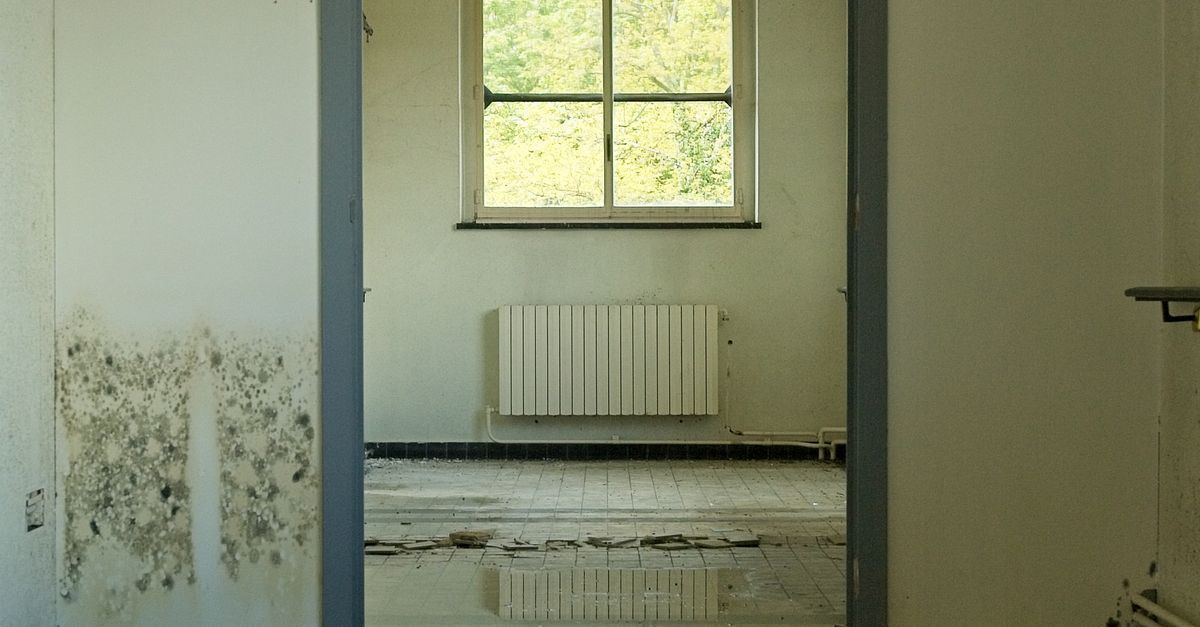
  • Charred or soot-covered materials near flooring or walls that are also visibly wet or saturated
  • Smoke odor combined with a musty smell developing in the same area
  • Firefighting equipment, sprinklers, or hoses were used anywhere in the structure
  • Water stains or warping appearing on floors below where the fire occurred
  • Soot residue on surfaces that also feel damp to the touch


Insurance Considerations for Combined Claims

A single incident that causes both fire and water damage is usually documented as one claim, but the scope of work (soot removal, structural drying, odor treatment, repairs) needs to be captured accurately for the adjuster. We document both the fire and water components of a loss and coordinate directly with insurance providers, with a free consultation and no hidden costs before work begins.


Why Choose Guardian Property Rescue for Combined Fire and Water Damage

Because fire and water damage so often overlap, having one team certified in both matters more than it might seem. Our technicians hold IICRC certification across water restoration, fire and smoke restoration, applied structural drying, mold remediation, and odor control, so the same crew that boards up a fire-damaged window can also extract the water pooling in the room below it. We're available 24/7, with responses often within 60 minutes depending on location and conditions, serving Downers Grove and the surrounding Chicagoland communities of Chicago, Naperville, Aurora, Oak Park, Wheaton, Lombard, Elmhurst, Bolingbrook, and Hinsdale.


Frequently Asked Questions

  • Does every house fire involve water damage too?

    Not every fire, but most fires large enough to require fire department response do, since extinguishing a fire typically means applying water or activating a sprinkler system somewhere in the structure.


  • How soon after a fire should water cleanup start?

    As soon as it's safe to enter the property. Materials that stay wet for more than a day or two, especially in warm, humid conditions, are at meaningfully higher risk of developing mold on top of the fire damage.


  • Will my insurance cover both the fire and water damage?

    Often, yes, since both typically result from the same covered event. Confirm your specific policy language, and keep documentation of both the fire and any water intrusion for your adjuster.


  • Can smoke odor return after it seems to be gone?

    It can, particularly if odor has settled into HVAC ducts, insulation, or other materials that weren't directly treated. A full odor mitigation process addresses more than just the surfaces you can see.


  • What should I do first after a fire is put out?

    Avoid re-entering until it's confirmed safe, then contact a restoration company that handles both fire and water damage so both issues are assessed and addressed together rather than in separate visits.


  • Is board-up service included with fire damage restoration?

    Yes, when a fire has left windows, doors, or the roof compromised, emergency board-up and tarping is typically part of securing the property before the rest of the restoration work begins.


Key Takeaways on Fire and Water Damage Restoration


A fire rarely damages a home in isolation. Between firefighting water, sprinkler discharge, and the moisture that follows, most fire losses come with a water damage component that needs its own attention, not just an afterthought once the soot is cleaned up.


If your Downers Grove or Chicagoland-area home has been affected by a fire,
Guardian Property Rescue handles the soot, the water, and everything in between through one coordinated team. Call (224) DRY-PROS for a free consultation.

Share this article

Recent Posts

November 3, 2026
Mold showing up in your Chicago home? Learn what causes it, the warning signs to catch early, and how professional testing and remediation work.
October 23, 2026
Learn what causes water damage in Chicago-area homes, warning signs to watch for, and how professional water mitigation and insurance billing work.
By Guardian Property Rescue • September 28, 2026
Flooded basement or sewer backup in Downers Grove? Learn the first steps to take, why sewage water is a health risk, and how local 24/7 cleanup crews help.
By Guardian Property Rescue • September 28, 2026
A clear guide to filing a water damage insurance claim in Chicago: what homeowners policies often cover, the steps to take, and mistakes that can cost you.
By Guardian Property Rescue • September 28, 2026
What to do after water damage in your Chicago home or business: the 5 key restoration steps, how to prevent mold, and when to call a 24/7 IICRC-certified team.