Mold Remediation Services Explained for Chicago Homeowners

November 3, 2026

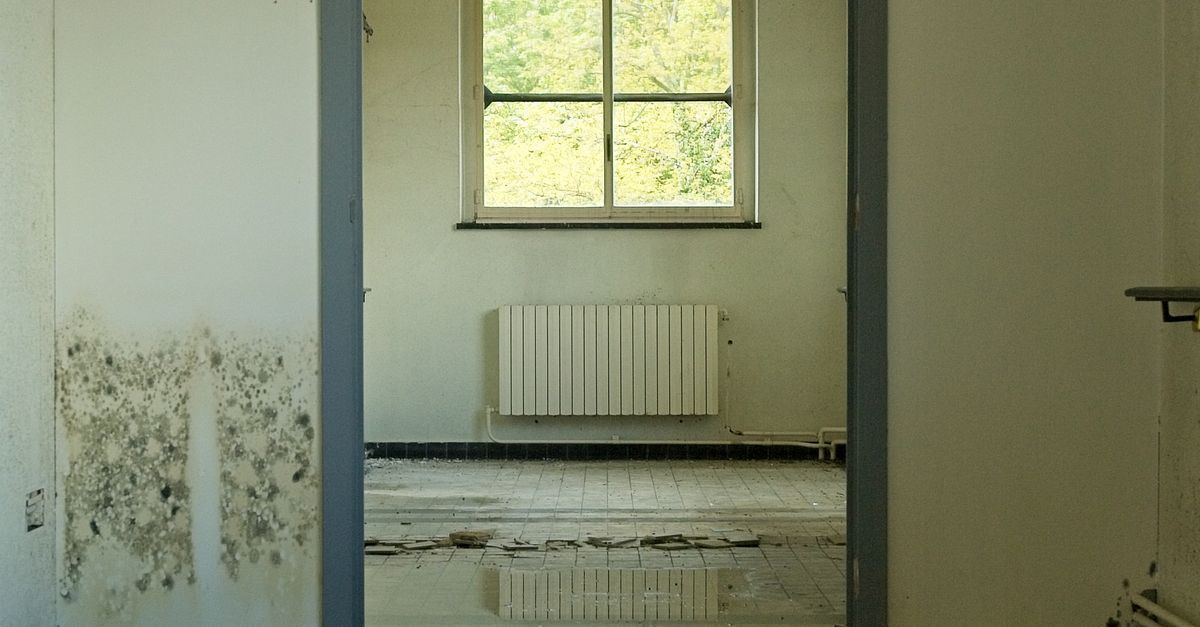
A musty smell in the basement after a humid week, or a ring of dark spots creeping across a bathroom ceiling, is usually the first sign something is wrong. Mold doesn't need much to take hold: a damp surface, a little warmth, and a few days left unchecked.


Left alone, it spreads behind drywall and under flooring faster than most homeowners expect, and it can affect indoor air quality long before it's visible. This guide covers what causes
mold in Chicago-area homes, how testing differs from remediation, and what the removal process actually involves.


What Causes Mold Growth in Chicago Homes

Chicago's humid summers create ideal conditions for mold in basements, crawl spaces, and anywhere ventilation is poor. Bathrooms and laundry rooms without adequate airflow trap moisture after every shower or load of laundry, giving mold a steady supply of what it needs.


Winter brings a different risk. Temperature swings between heated interiors and cold exterior walls can cause condensation to form inside wall cavities, where it goes unnoticed until the drywall or insulation is already affected. Appliance leaks, slow plumbing drips, and poor grading around the foundation add to the list of everyday causes.


Warning Signs You May Have a Mold Problem

Some mold growth is obvious. Other times it develops quietly behind a wall or under carpet for weeks. Watch for:


  • A musty or earthy odor that lingers in one area of the home
  • Visible spotting or discoloration on drywall, grout, or window frames
  • Water stains on ceilings or walls, even if they look dry now
  • Peeling or bubbling paint near bathrooms, basements, or windows
  • An uptick in allergy-like symptoms that eases when you leave the house


Mold Testing vs. Mold Remediation

These are two different services, and homeowners often assume one covers the other.


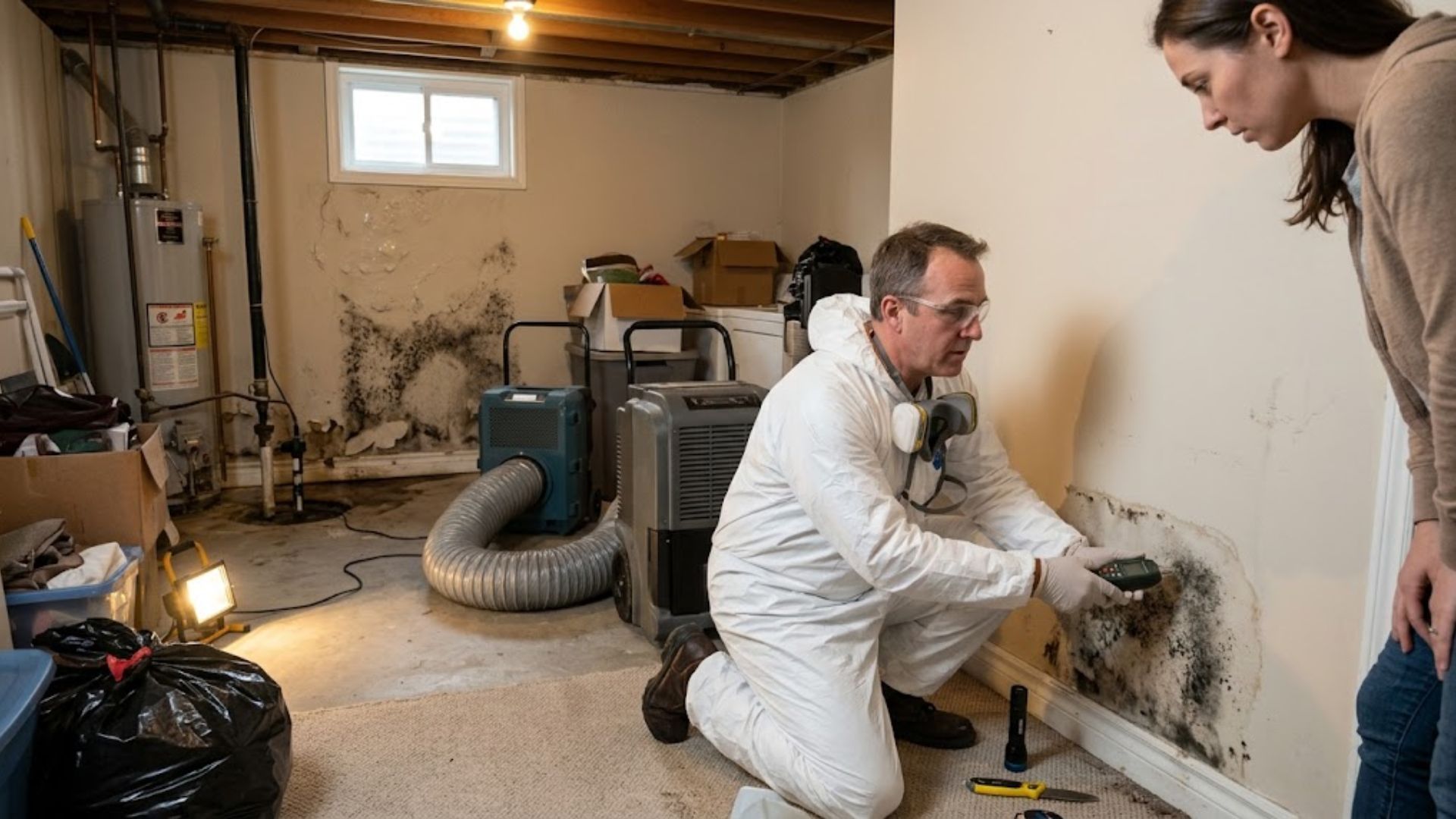
Testing comes first. It confirms whether mold is present, how far it has spread, and what's feeding it. The process typically includes a visual inspection, moisture mapping with meters and thermal imaging to find hidden dampness, and air or surface sampling sent to an independent lab. Findings are documented in plain language, with the location and extent of any growth laid out before any removal work begins.


Remediation is the removal and cleanup work that follows a confirmed finding. It addresses the mold itself and the moisture source behind it, not just the visible surface.


How Mold Remediation Works

Once testing confirms a problem, remediation follows a sequence designed to remove mold safely without spreading spores to unaffected areas of the home.


Containment Setup

Before any material is disturbed, we set up containment barriers with negative air pressure to keep spores from traveling into other rooms. HEPA filtration runs throughout the work area to capture airborne particles.


Safe Material Removal

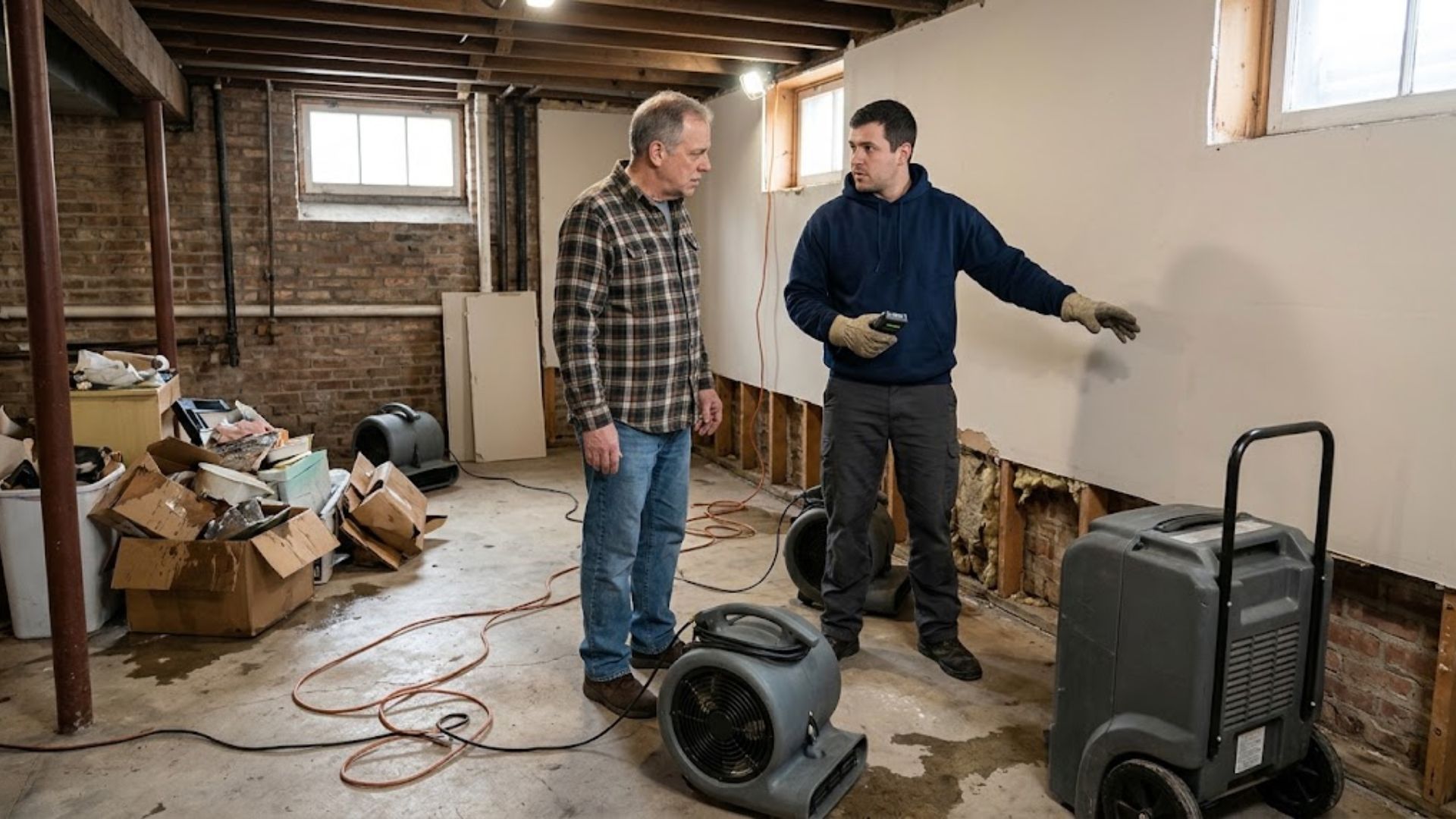
Porous materials that have absorbed mold, such as drywall, insulation, or flooring, usually can't be cleaned and need to be removed and disposed of properly. Non-porous surfaces are treated differently and can often be cleaned in place.


Cleaning and Disinfection

Remaining surfaces inside the containment area are cleaned and disinfected using industry-standard protocols before any new material goes back in.


Drying and Moisture Control

Since moisture is what allowed the mold to grow in the first place, the affected area is dried and monitored until it reaches a safe level. Skipping this step is the most common reason mold returns after a cleanup.


Post-Remediation Verification

Before the job is considered finished, the area is reinspected to confirm the mold has been removed and conditions no longer support regrowth.


How Mold and Water Damage Often Connect

Mold frequently shows up as a delayed symptom of an earlier water issue, a slow pipe leak, a sump pump that ran dry during a storm, or water damage that wasn't fully dried out. If a water-damaged area already smells musty or shows discoloration by the time help arrives, it often needs a mold inspection in addition to standard water damage restoration, since drying the water alone won't resolve mold that has already established itself.


Preventing Mold From Coming Back

A few habits make a meaningful difference in humid Chicago summers and damp winters alike:


  • Run a dehumidifier in the basement during peak humidity months
  • Repair leaks, drips, and appliance hose issues as soon as they're noticed
  • Keep bathroom and laundry room fans running during and after use
  • Check behind and under major appliances periodically for hidden moisture
  • Keep gutters clear so water drains away from the foundation instead of pooling against it


Insurance and Mold Remediation

Whether mold remediation is covered by homeowners insurance depends on the cause. Mold resulting from a sudden, accidental event, like a burst pipe, is more likely to be covered than mold tied to a long-term leak or deferred maintenance. We document the affected areas and the work performed so homeowners have what they need for a claim, and offer a free consultation with no hidden costs before any work begins.


Choosing a Mold Remediation Company in Chicagoland

Our technicians carry IICRC certification across water restoration, fire and smoke restoration, applied structural drying, mold remediation, and odor control, so the same team that identifies a moisture problem can also handle what it left behind. We're available 24/7, with response often within 60 minutes depending on location and conditions, and we serve Downers Grove and the surrounding Chicagoland communities of Chicago, Naperville, Aurora, Oak Park, Wheaton, Lombard, Elmhurst, Bolingbrook, and Hinsdale.


Frequently Asked Questions

  • How do I know if I need mold testing or just a cleaning?

    Small areas of surface mold on a non-porous surface, like tile grout, can sometimes be cleaned without professional help. If the growth covers a large area, keeps returning, or you can smell it without seeing it, testing is worth the extra step to confirm what's actually happening.


  • How long does mold remediation take?

    It depends on how much material needs to be removed and how long the moisture source went unaddressed. A technician can give a more specific timeline once the extent of the growth is confirmed during inspection.


  • Is mold remediation covered by homeowners insurance?

    It depends on the cause. Mold linked to a sudden event like a burst pipe is more likely to be covered, while mold from a long-term leak or humidity issue often isn't. Check your policy's specific language for what applies.


  • Can I just paint over mold instead of removing it?

    No. Painting over mold doesn't remove it or address the moisture feeding it, and growth will typically continue underneath or push through the new paint within months.


  • What health effects can mold cause?

    Reactions vary by person. Some people experience allergy-like symptoms such as sneezing, irritated eyes, or a cough, especially in homes with heavy or longstanding growth. Anyone with existing respiratory conditions should take new symptoms seriously and have the area inspected.


  • Does Guardian Property Rescue offer mold testing separately from removal?

    Yes. Testing can be scheduled on its own when a homeowner wants to confirm whether a problem exists before committing to remediation work.


Final Thoughts on Mold Remediation


Mold rarely goes away on its own, and the longer it's left, the more of the structure it affects. A musty smell, a water stain that won't fade, or allergy symptoms that improve when you're away from home are all worth having checked rather than waiting to see if they get worse.


If you're noticing signs of mold in a Downers Grove or Chicagoland-area home,
Guardian Property Rescue offers a free consultation and can confirm what's happening before any remediation work begins. Call (224) DRY-PROS to reach our team.

Share this article

Recent Posts

November 10, 2026
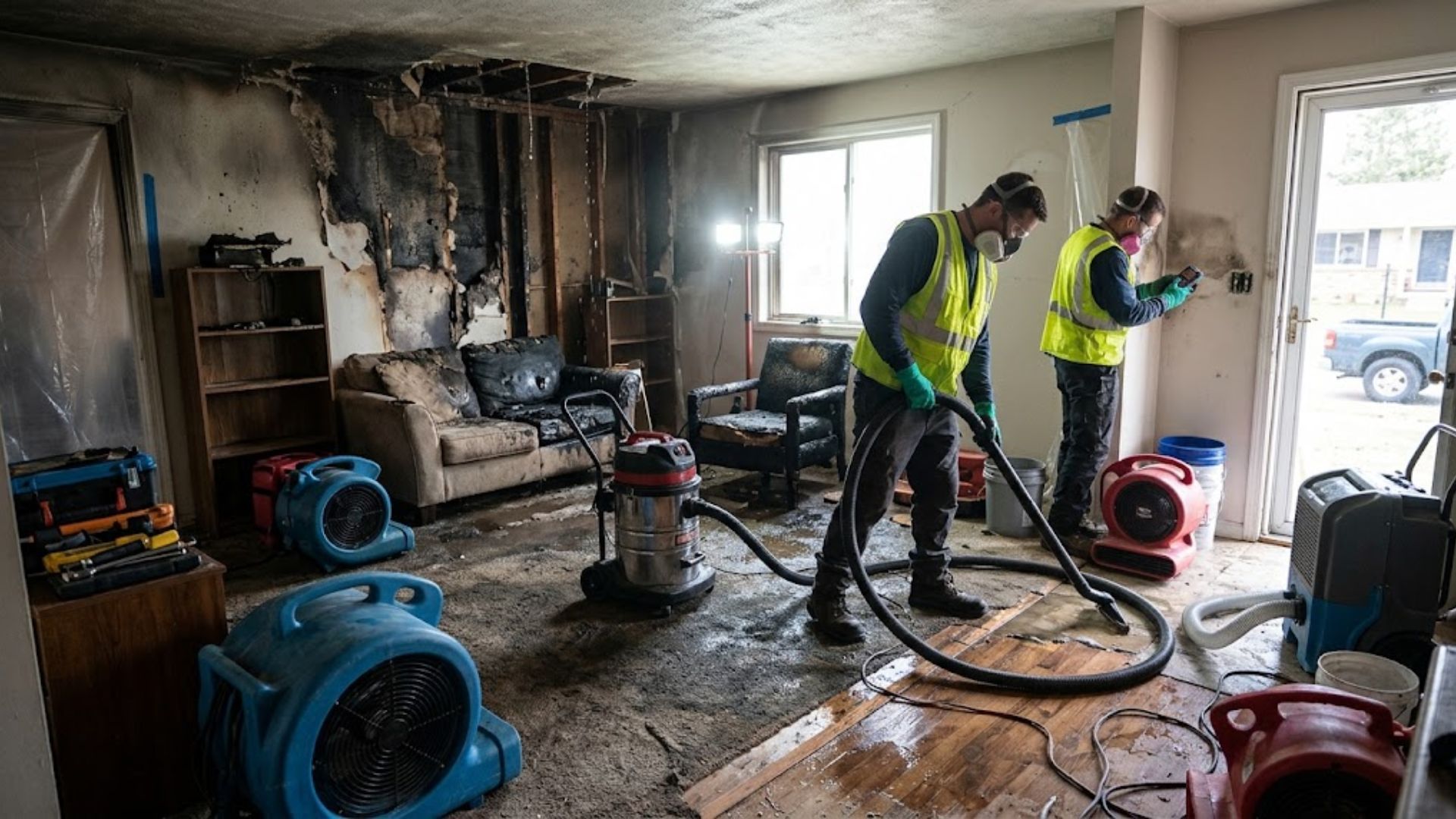
A house fire often leaves water damage behind too. Here's how fire and water damage restoration work together, and what to expect from each.
October 23, 2026
Learn what causes water damage in Chicago-area homes, warning signs to watch for, and how professional water mitigation and insurance billing work.
By Guardian Property Rescue • September 28, 2026
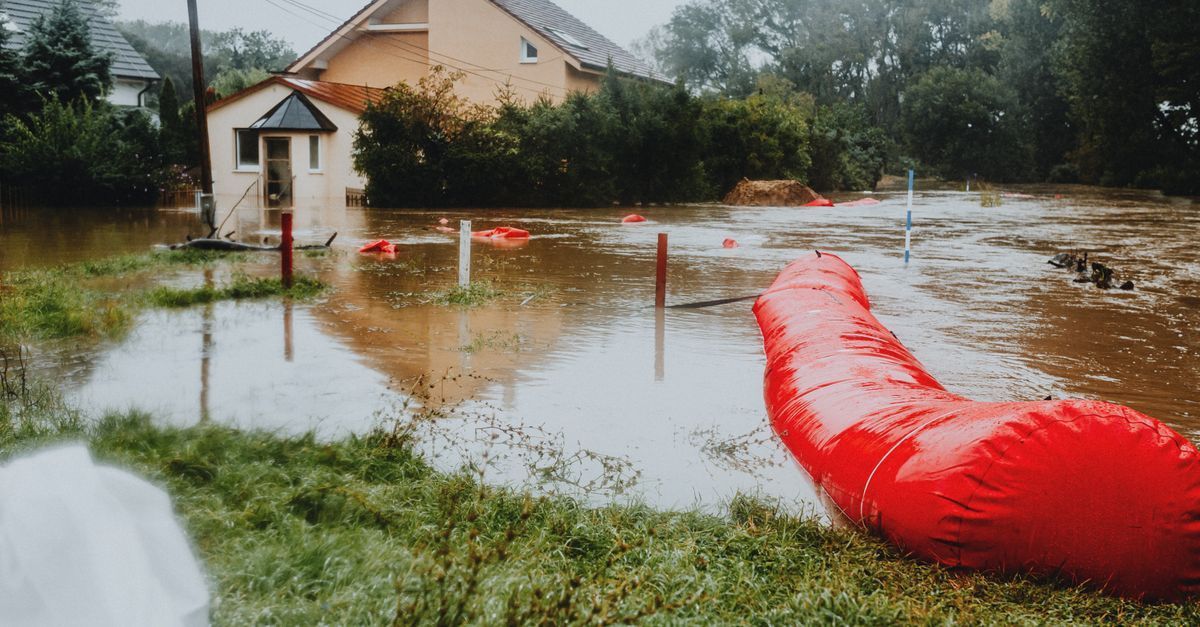
Flooded basement or sewer backup in Downers Grove? Learn the first steps to take, why sewage water is a health risk, and how local 24/7 cleanup crews help.
By Guardian Property Rescue • September 28, 2026
A clear guide to filing a water damage insurance claim in Chicago: what homeowners policies often cover, the steps to take, and mistakes that can cost you.
By Guardian Property Rescue • September 28, 2026
What to do after water damage in your Chicago home or business: the 5 key restoration steps, how to prevent mold, and when to call a 24/7 IICRC-certified team.